
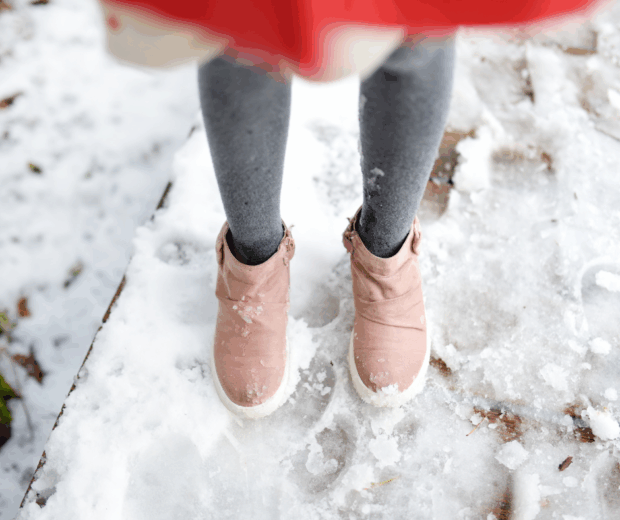
If your bunions seem angrier, stiffer, or more painful as soon as the weather turns cold, you’re not imagining it. Winter is one of the toughest seasons for people with bunions — not just because of footwear, but because of how temperature impacts joints, nerves, circulation, and movement patterns.
This article breaks down the real science behind winter bunion pain, the daily habits that silently make symptoms worse, and how to protect your feet so you can stay active and comfortable all season long.
Why Bunions Hurt More in Cold Weather
1. Cold Causes Joint Stiffness — Especially in the Big Toe
Joints rely on synovial fluid (the body’s natural lubricant) to move smoothly. In colder temperatures, this fluid becomes more viscous — thicker — which limits mobility.
For bunions, where the big toe joint is already mechanically stressed, this reduced fluidity means:
-
More friction
-
More stiffness
-
More inflammation
-
A greater likelihood of pain during the first steps of the morning
It’s the same reason people with arthritis feel worse in the winter — bunions are a form of joint misalignment, and cold amplifies joint irritation.
2. Narrow Winter Footwear Adds Compression
Summer is the season of sandals, flip-flops, and open-toe shoes. Winter is the exact opposite.
Common winter footwear problems:
-
Stiff leather uppers that restrict toe movement
-
Insulated boots with narrow toe boxes
-
Snow boots that push the toe inward
-
Fashion boots (ankle or knee-high) that squeeze the midfoot
The result?
More direct pressure on the bunion bump and more inward force on the toe, which accelerates irritation.
3. Reduced circulation increases nerve sensitivity
Cold temperatures naturally reduce blood flow to extremities. When circulation slows:
-
Inflammation is slower to clear
-
Nerves become hypersensitive
-
The joint becomes stiffer faster
-
Swelling lasts longer
That’s why bunion pain can feel sharper or “zingier” in winter.
4. More time on your feet at home — on hard floors
Most homes have hardwood, vinyl, or tile flooring. In winter, we:
-
Stay indoors longer
-
Walk barefoot more often
-
Spend more time cooking, decorating, cleaning
-
Spend more time hosting
Hard surfaces + barefoot walking = increased bunion stress, especially for people with flat feet or over-pronation.
5. Holiday travel amplifies the problem
Winter travel is the perfect storm:
-
Hours of walking through airports
-
Carrying heavy bags
-
Sitting for long stretches with feet in tight shoes
-
Limited ability to stretch or move
Many people report their bunions get worse immediately after holiday travel.
Winter Habits That Make Bunion Pain Worse
Here are common cold-weather patterns that quietly sabotage bunion health:
✅ Wearing thick socks in tight shoes
Good intention, poor result.
Bulkier socks reduce interior shoe space — shifting the toes inward.
✅ Wearing old boots with worn-down insoles
Boots lose cushioning and arch support over time.
A collapsing arch = more pronation = more bunion force.
✅ Skipping foot exercises during colder months
Joint stiffness intensifies when the big toe isn’t mobilized regularly.
✅ Not warming up feet before activity
Cold feet + sudden movement = increased tendon strain.
How to Reduce Bunion Pain All Winter Long
1. Warm the feet before putting on shoes
Just 60 seconds makes a difference:
-
Use a warm towel
-
Soak in warm water for two minutes
-
Wear thin warming socks first
-
Massage the bunion and arch
Warm joints = less pain.
2. Switch to winter footwear with wider toe boxes
Great winter-friendly, bunion-friendly shoes include:
-
Wide or “natural shape” toe box boots
-
Soft leather or stretch uppers
-
Zero-drop or low-drop boots for posture balance
-
Structured arch support
A quick rule:
If you can pinch the leather over the bunion and it doesn’t move, the boot is too stiff.
3. Use a thin bunion splint under boots for alignment protection
Most rigid splints can’t be worn in shoes — but ultra-thin fabric correctors (like Bunion Bootie) create a protective barrier without adding thickness.
Benefits in winter:
-
Keeps the big toe aligned in tight boots
-
Reduces direct pressure from firm boot materials
-
Adds a “buffer layer” or second skin to minimize rubbing
-
Stabilizes the joint during long cold walks
It’s one of the simplest ways to reduce winter flare-ups.
4. Strengthen the intrinsic foot muscles
Cold weather makes muscles sluggish — so strengthening is crucial.
Daily 2-minute exercises:
-
Toe lifts
-
Marble pickups
-
Big-toe towel curls
-
Toe-spread-and-hold exercises
-
Arch doming
This protects the bunion from progressing and reduces pressure on the joint.
5. Switch your home footwear
Walking barefoot on hard floors is one of the biggest winter bunion mistakes.
Choose:
-
Soft, cushioned house shoes
-
Minimalist slippers with arch support
-
Gel insoles or memory foam inserts
Avoid:
-
Hard, flat slides
-
Old worn-down slippers
6. Use warming balms before bed
Warming balms increase circulation, reduce stiffness, and soothe muscles.
Even basic massage increases synovial fluid mobility and joint comfort.
7. Rest the joint after long activity
If you’re doing holiday shopping, travel, or long winter hikes:
-
Ice for 8 minutes
-
Elevate
-
Wear a soft splint afterward to realign for recovery
When to See a Specialist
Winter bunion pain should improve with the strategies above.
If it doesn’t, or if the bunion begins progressing quickly, see a podiatrist.
Final Thoughts
Winter can be tough on bunions — but with the right footwear, habits, and protective devices, you can drastically reduce pain and prevent flare-ups.
If you want to stay active, travel comfortably, and protect your feet this winter, start incorporating these daily habits now.
Your bunions will thank you by spring.