
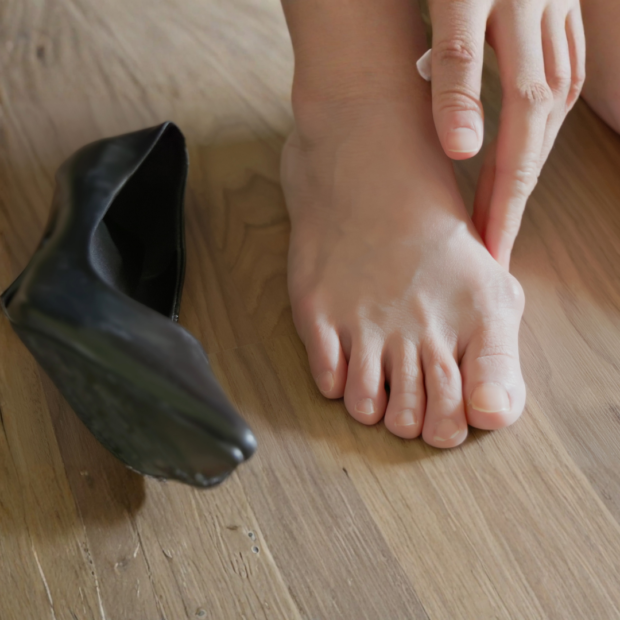
You can feel it within a few steps – that sharp rub at the side of the joint, the pressure building as the day goes on, and the moment when a perfectly normal shoe suddenly feels impossible. If you are wondering what helps bunion pain in shoes, the answer is usually not one big fix. It is a combination of less friction, less pressure, and better support inside the shoes you already need to wear.
That matters because bunion pain in shoes is often less about the bunion itself and more about what the shoe is doing to it. A narrow toe box presses inward. A stiff seam rubs the bump. A flat, unsupportive sole changes how weight moves through the forefoot. Even people with mild bunions can feel a lot of discomfort if the shoe environment is wrong.
What helps bunion pain in shoes the most?
The most reliable relief usually comes from reducing three things at once – rubbing, compression, and strain. If a shoe crowds the front of your foot, no insert or pad will fully make up for that. But if the shoe is reasonably shaped, small changes can make a noticeable difference.
A wider toe box is often the first place to start. This gives the bunion joint more room so the shoe is not constantly pushing against it. Soft uppers help too, especially if your pain is more from rubbing than from deep joint soreness. Many people do better in sneakers, walking shoes, or casual work shoes with some give across the forefoot than in structured dress shoes that hold the shape no matter what your foot needs.
Cushioning can help, but it depends on the source of your pain. If you feel pressure under the ball of the foot, a shoe with decent shock absorption may help. If your main problem is side rubbing at the bunion, cushioning underfoot alone may not change much unless it is paired with more space and some protection over the joint.
That is why thin, wearable bunion protection can be such a practical solution. A slim barrier that reduces friction at the bunion site can make everyday shoes more tolerable without forcing you into bulky medical gear. For active people, that wearability is not a small detail. If something only works at night or only fits in oversized shoes, it is hard to use consistently.
Why bunions hurt more in some shoes than others
Not all shoe pain is created equal. One pair may feel tight across the bunion. Another may leave plenty of room but still irritate the joint because of a seam or stiff panel. A third might feel fine at first, then cause soreness after an hour because your foot is sliding and hitting the same spot over and over.
Heel height also changes the picture. Even a moderate heel can push more body weight toward the front of the foot, increasing pressure around the big toe joint. That does not mean every elevated shoe is automatically off limits, but it does mean shorter wear times and careful fit tend to matter more.
Arch support can help some people by improving foot mechanics and taking strain off the forefoot. But support is not one-size-fits-all. If an insert lifts your foot too much inside the shoe, it can create more crowding over the bunion. This is where trial and error comes in. The best setup is usually the one that improves alignment without stealing valuable space.
The shoe features that usually make the biggest difference
When people ask what helps bunion pain in shoes, they often expect a special insole or a miracle pad. In reality, the shoe itself does a lot of the work.
Look for a toe box that follows the natural shape of the foot instead of tapering sharply at the big toe. Pay attention to the material across the bunion area. Knit, mesh, soft leather, and flexible fabrics tend to be more forgiving than rigid overlays. Laces or adjustable straps are often better than slip-ons because they let you secure the midfoot without squeezing the forefoot.
The sole should feel stable but not brick-hard. Too much flexibility can leave the forefoot doing extra work. Too much stiffness can create pressure points if the shoe does not match your foot well. Somewhere in the middle is usually best for day-to-day comfort.
If you are on your feet for work, a removable insole can also be useful. It gives you room to adjust cushioning or support if needed. Just remember that every layer you add takes up space. With bunions, space is often as valuable as padding.
What to put inside shoes for bunion pain
Inside-the-shoe strategies work best when they solve a specific problem. If the issue is rubbing, a friction-reducing bunion sleeve or ultra-thin corrector can help protect the joint while fitting inside regular shoes. If the issue is pressure under the ball of the foot, a metatarsal pad or more cushioned insole may help redistribute force. If the problem is instability, light arch support may be useful.
The trade-off is bulk. Thick gel pads, rigid splints, and stacked inserts can make shoes feel tighter, which may worsen the very problem you are trying to solve. This is where many people get frustrated. They buy a bunion product for relief, then realize it only works barefoot or with extra-wide shoes they do not want to wear.
A thin, breathable support tends to be more realistic for daytime use. It can help reduce friction and encourage a more comfortable position without taking over your shoe. That is one reason many active adults prefer a softer, flexible option over hard splints that are better suited for rest than movement.
If dry skin or irritated skin is part of the issue, a balm can also help by reducing surface friction and soothing the area. It will not change foot structure, but comfort often improves when the skin over the bunion is less reactive.
What helps bunion pain in shoes at work or on long walks?
Long hours on your feet call for a more realistic strategy than simply buying one comfortable pair and hoping for the best. Swelling increases through the day, which means shoes that fit in the morning may start pressing by afternoon. If possible, try shoes on later in the day when your feet are a little larger.
For workdays and walks, consistency matters. A supportive shoe with enough room, paired with a low-profile bunion protector, usually works better than switching between random shoes and trying to tough it out. Socks matter too. Thin, smooth socks can reduce friction, while thick seams near the bunion can make rubbing worse.
It also helps to rotate shoes. Pressure points often come from the same contact pattern day after day. Even changing between two well-fitting pairs can give sore areas a break.
If your feet ache after activity, using a gentle toe spacer or soft alignment support at home may help you recover more comfortably. The key is to match the tool to the moment. Daytime walking usually calls for thin, shoe-friendly comfort. Rest time gives you more flexibility.
When shoe changes are not enough
Sometimes the pain is no longer just irritation from the shoe. If the bunion is getting more rigid, the big toe is overlapping or drifting significantly, or you have swelling and pain even barefoot, it may be time to talk with a podiatrist. The same is true if you have diabetes, numbness, circulation issues, or skin breakdown around the joint.
Conservative care can still play an important role, even if your bunion is more advanced. Many people are trying to stay active, avoid surgery, or stay comfortable before or after a medical plan. In those cases, wearable support inside shoes is not about pretending the problem is gone. It is about making daily movement more manageable.
That is where a product designed for real life stands out. Bunion Bootie was created around a simple need many people have been missing – something soft, thin, and practical enough to wear inside regular shoes without the bulk and rigidity that make other options hard to use.
A good rule of thumb is this: if a solution helps you move through your normal day with less rubbing and less pressure, you are on the right track. Relief does not always come from doing more. Often it comes from choosing the few changes that your feet will actually tolerate, and that you can stick with tomorrow morning when the shoes go back on.