
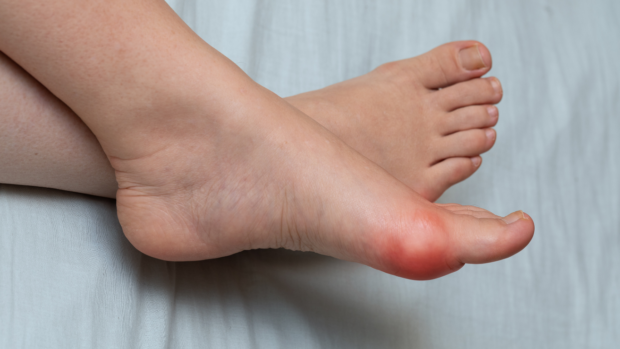
That sharp, raw feeling on the side of your big toe joint can ruin a perfectly normal day fast. If you are wondering how to stop bunion rubbing, the answer usually is not one big fix. It is a combination of reducing friction, improving fit, and using support that works inside real shoes instead of forcing you into bulky gear you will never wear.
Bunion rubbing happens because the joint sticks out farther than it used to, so it meets the inside of your shoe earlier and harder with every step. Add heat, swelling, long hours on your feet, or a stiff seam in the wrong place, and that pressure turns into irritation. For some people it feels like a hot spot. For others it becomes redness, tenderness, or skin that is constantly on the verge of blistering.
The good news is that everyday changes can make a real difference. The key is choosing solutions you can actually stick with.
Why bunion rubbing gets worse
A bunion is not just a bump. It changes how your foot meets the ground and how your shoe wraps around the forefoot. When the big toe shifts inward and the joint angles outward, the side of the foot takes more contact. That means more rubbing exactly where the skin is already under stress.
This usually gets worse in shoes that taper too early at the toes, shoes with stiff uppers, or styles that sit low and press right across the joint. Even shoes that technically fit can still aggravate a bunion if the shape is wrong. Width matters, but toe box shape matters too.
Activity level also plays a role. If you walk for exercise, work on your feet, travel often, or spend hours standing, the repeated movement can turn mild irritation into an everyday problem. Swelling later in the day makes it even more noticeable.
How to stop bunion rubbing in shoes
If your shoes are causing the problem, that is the first place to look. A roomier toe box helps, but roomy is not the same as sloppy. If the shoe is too loose, your foot may slide and create even more friction. What you want is enough width and depth at the forefoot without excess movement at the heel.
Soft materials usually feel better than rigid ones because they give a little where the bunion needs space. Knit uppers, soft leather, and flexible athletic shoes are often easier to tolerate than stiff dress shoes or narrow flats. If one pair always leaves a red mark in the same spot, believe the evidence. You do not need to keep trying to break in a shoe that is breaking down your skin instead.
Socks can help more than people expect. A smooth, moisture-wicking sock reduces friction better than a thick sock with bulky seams. Thicker is not always better, especially if it makes the shoe tighter. Sometimes the best sock is simply the one that lets the foot glide less and breathe more.
If the problem is only in one part of the shoe, look inside. Interior seams, rough stitching, and areas where the upper folds inward can all irritate the bunion. Even a small ridge can become a big issue after a few thousand steps.
Reduce friction before it starts
When skin is already irritated, protecting it from repeat rubbing matters. Friction is what turns pressure into soreness, so lowering it is often the fastest way to get relief.
A thin barrier between the bunion and the shoe can help prevent direct contact. The challenge is finding one that stays in place and does not make the shoe feel tighter. Many people get frustrated with bulky pads and rigid splints because they change the fit of the shoe or are realistic only for sitting at home. If you are active, you need something soft, low-profile, and wearable during normal life.
This is where thin bunion sleeves or ultra-light correctors make more sense than heavy devices for many people. They can cushion the area, reduce rubbing, and support a better position without forcing you to switch your whole routine. Bunion Bootie was designed around that exact everyday problem – helping reduce friction at the bunion site inside regular shoes, not just while resting.
Topical products can help too, especially if your skin gets dry, hot, or tender. A balm that softens and conditions the skin may reduce the feeling of chafing, though it works best as part of a bigger plan rather than the only solution.
Support matters, but only if you will wear it
A lot of bunion products sound good until you try to walk in them. They are bulky, stiff, or too obvious under shoes. That is why many people give up on conservative support altogether, not because it cannot help, but because the design does not fit real life.
If you want to know how to stop bunion rubbing long term, consistency matters more than intensity. A soft support you can wear while walking the dog, working a shift, or running errands often does more for daily comfort than a rigid device that ends up in a drawer.
Gentle alignment support may help reduce how much the joint presses into the side of the shoe. It will not erase the bunion, and it is fair to say results vary based on foot shape and severity. But many people feel better when the area is cushioned and the toe is encouraged into a more natural position during movement.
That trade-off is worth remembering. The most corrective-looking option is not always the most useful option if it only works at bedtime.
Small adjustments that take pressure off
Beyond footwear and friction barriers, a few simple habits can reduce irritation through the day. If your feet swell, rotating shoes and avoiding your tightest pairs in the afternoon can help. If one activity always triggers rubbing, consider whether the shoe, sock, or insert for that activity is part of the problem.
Lacing technique can also make a difference in sneakers. A more secure midfoot and heel fit can stop the foot from sliding forward, which reduces jamming and side pressure at the bunion. Insoles may help some people if they improve overall foot mechanics, but they can also crowd the shoe if there is not enough depth. It depends on the shoe and the shape of your foot.
When the area feels inflamed after a long day, giving it a break matters. Cool compresses, elevating the foot, and wearing open or softer footwear at home can calm things down before the next round of rubbing starts.
When rubbing is really a fit problem
Sometimes persistent bunion irritation is less about the bunion itself and more about trying to force your foot into the wrong shoe category. This is especially common with fashionable shoes that narrow at the front, slip-ons that press across the joint, or older shoes that no longer match your foot.
Feet can change over time. Age, activity, pregnancy history, weight shifts, and surgery can all affect size and shape. If you have not rechecked your sizing in a while, it may be time. Many people keep buying the same size out of habit even when their forefoot needs more room.
There is also a difference between a shoe that feels okay when you put it on and one that still feels okay six hours later. Try shoes later in the day if swelling is part of your pattern. That gives you a more honest read on fit.
When to get professional help
If your bunion rubbing has led to broken skin, frequent blistering, significant swelling, or pain that changes how you walk, it is smart to check in with a podiatrist. The same goes if the area looks infected, feels unusually warm, or becomes more painful even in wider shoes.
A clinician can help you sort out whether you are dealing only with friction or whether alignment, joint irritation, or another foot issue is contributing. For some people, conservative care is enough. For others, especially with severe deformity or worsening pain, medical treatment may be part of the picture.
There is no prize for waiting until every step hurts.
The best approach is the one you can live with
Most people do not need more complicated advice. They need a practical plan that works on a Tuesday, not just in theory. Choose shoes with a bunion-friendly shape. Reduce friction with a thin, wearable barrier. Use support that fits into your normal routine. Pay attention to swelling, sock choice, and patterns that make rubbing worse.
That is usually how you stop the cycle. Not with one dramatic change, but with simple adjustments that protect the joint and help you stay active without constantly thinking about your feet.
If your bunion has been rubbing for a while, start with the fix you are most likely to use every day. Consistent comfort tends to come from solutions that work with your life, not against it.