
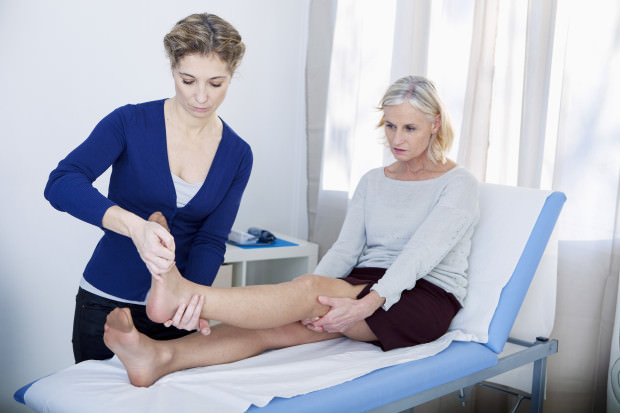
The first steps after toe or bunion surgery can feel surprisingly vulnerable. Your foot may be bandaged, stitched, screwed, pinned, swollen, tender, and far less steady than usual – even simple tasks like getting to the kitchen can require planning. This guide to post surgery toe support explains how to protect your healing toe, reduce avoidable irritation, and make day-to-day movement more manageable while following your surgeon’s specific instructions.
Every procedure and recovery timeline is different. A bunion correction, hammertoe procedure, fracture repair, or tendon surgery may require very different weight-bearing rules, dressings, and support devices. Your surgeon’s plan always comes first, especially when it comes to walking, bathing, bandage care, and when you can return to regular shoes.
Start With the Support Your Surgeon Prescribed
Post-surgery toe support is not one-size-fits-all. In the earliest stage of recovery, the priority is usually protection: keeping the surgical area stable, clean, and free from pressure. That may mean a surgical shoe, walking boot, splint, toe spacer, crutches, or a period of limited or non-weight-bearing activity.
Wear the device you were given exactly as instructed. It can be tempting to switch into a more familiar shoe when swelling begins to settle, but an ordinary sneaker may bend in the wrong place or press directly against a healing joint. A post-op shoe often has a stiff sole for a reason: it limits motion through the forefoot while tissues heal.
If your dressing feels too tight, slips, becomes wet, or creates new rubbing, call your surgical office rather than trying to rewrap it yourself. A bandage can look simple, but after foot surgery it may also be helping hold the toe in a particular position.
Protect the Toe From Pressure and Friction
Swelling can make a formerly comfortable shoe feel completely different. Even after you transition out of a surgical shoe, your toe may still need more room and less friction than usual. Pressure from a narrow toe box, stiff upper, or prominent seam can irritate sensitive skin and make walking feel harder than it should.
Choose footwear based on your current recovery stage, not your usual style or shoe size. Look for a roomy toe box, an adjustable closure, and a stable sole. Shoes that open widely can be easier to put on without twisting the foot or forcing the toe to bend. Many people also find that a wider width is temporarily more comfortable while swelling remains.
Avoid squeezing into dress shoes, narrow athletic shoes, sandals that leave the toe unprotected, or soft slippers without a supportive sole unless your surgeon says they are appropriate. The goal is not to rush back to every shoe in your closet. The goal is to make each necessary step feel protected and controlled.
Do not add padding without checking first
Pads, cushions, sleeves, and toe separators may seem harmless, but they can add bulk inside footwear or place pressure on a healing incision. Some can also trap moisture around the skin. Before using any over-the-counter toe support, ask your surgeon or podiatrist whether it is appropriate for your procedure and stage of healing.
Once the incision is fully closed and your clinician clears you for regular footwear, soft, low-profile support may be useful for reducing shoe friction and encouraging comfortable toe positioning. This is where the details matter: a bulky device that will not fit in your shoe is unlikely to be worn consistently.
Manage Swelling Without Working Against Recovery
Post-operative swelling is common and can last longer than people expect. It often increases later in the day or after you have spent more time upright. That does not automatically mean something is wrong, but it does mean your activity and support plan may need adjustment.
Rest with your foot elevated as directed by your care team. When you are cleared to walk, take shorter, purposeful trips instead of testing your limits with a long errand or a full day on your feet. A little progress can feel encouraging, but doing too much too soon may leave you more swollen and uncomfortable the next day.
Your clinician may recommend ice, compression, or specific exercises. Follow their directions closely, particularly if you have circulation concerns, diabetes, reduced sensation, or a history of blood clots. Never place ice directly on your skin, and do not assume that tighter support is better. Compression and wraps need the right fit and timing after surgery.
A simple recovery log can help. Note how long you were on your feet, how the toe felt during activity, whether swelling improved overnight, and what footwear you used. This gives you useful information for your follow-up appointment and helps you spot patterns before discomfort becomes a bigger setback.
Return to Walking in Small, Planned Steps
Being active is a good long-term goal, but recovery is not a test of toughness. Your toe needs time to tolerate load, movement, and shoe contact again. A gradual return is usually more productive than alternating between complete rest and one overly ambitious day.
Start with the amount of walking your surgeon allows, on even surfaces and in your approved footwear. Keep your stride natural rather than limping heavily or rolling onto the outside edge of your foot. A protective limp can shift stress to your knee, hip, back, or opposite foot.
As your care team clears more activity, increase one variable at a time: a few more minutes of walking, a slightly longer errand, or a return to a low-impact routine. If you add distance, do not also switch footwear and add hills on the same day. That makes it harder to tell what caused a flare in soreness or swelling.
For many people, the frustrating part is that the foot may look mostly healed before it feels ready for a full workday, gym session, or long walk. Give comfort the final vote. If your toe becomes increasingly sore, red, swollen, or rubbed after an activity, scale back and contact your clinician if symptoms do not improve as expected.
Know When to Call Your Surgeon
A certain amount of tenderness and swelling can be part of healing. But new or worsening symptoms deserve prompt attention. Contact your surgeon’s office if you notice:
- Increasing redness, warmth, drainage, a bad odor, or fever
- Pain that is worsening instead of gradually improving, especially if medication is not helping
- Numbness, color changes, coldness, or a tight dressing that feels concerning
- Calf pain, sudden shortness of breath, or chest pain, which require urgent medical attention
Do not wait for a scheduled follow-up if something feels clearly different from the recovery instructions you were given. Your surgical team would rather answer an early question than address a preventable complication later.
Think Ahead to Long-Term Toe Comfort
After the surgical phase ends, long-term toe support becomes less about immobilizing the foot and more about protecting your results in real life. For bunion patients, that often means paying closer attention to toe-box width, shoe friction, walking habits, and the support you can realistically wear throughout the day.
A soft, thin bunion support can be a practical option only after your surgeon has cleared the incision and confirmed that it suits your recovery. Unlike a rigid nighttime-only splint, a low-profile design may fit inside regular footwear and help reduce rubbing at the bunion area during walking or standing. Bunion Bootie was designed around that real-world need for breathable, shoe-compatible comfort, but it should never replace post-operative instructions or follow-up care.
The best support is the one that matches the healing stage you are actually in. Early on, that may be a surgical shoe and strict limits. Later, it may be a roomier sneaker, a gradual walking plan, and discreet protection from shoe friction. Recovery asks for patience, but each comfortable, well-supported step is progress.