
If your shoes feel fine everywhere except that one spot at the side of your foot, you already know the problem is not just the shoe. The right bunion support for shoes can make the difference between getting through the day, versus counting the minutes until you can take your shoes off.
That is where a lot of people get frustrated. They try wide shoes, gel pads, toe spacers, or rigid night splints, only to find that what helps at home does not work once they are walking, working, or standing for hours. The real challenge is not finding any bunion product. It is finding support that works inside actual shoes, during actual life.
What bunion correctors for shoes should really do
A bunion changes the shape and pressure pattern of the front of the foot. That means the best support is usually not the bulkiest option. In most cases, what helps most during the day is a thin layer of protection over the bunion area, gentle support that encourages better alignment, and a secure fit that does not slide around inside your shoe.
People often assume stronger means better. For daytime wear, that is not always true. A rigid brace may feel supportive when you are sitting still, but if it adds bulk, creates new pressure points, or forces your foot into a position your shoe cannot accommodate, it can make walking more uncomfortable instead of less.
Good shoe-compatible support tends to solve three practical problems at once. It helps reduce friction at the bunion joint, cushions the area from rubbing, and supports more natural movement without making your footwear harder to wear. If a product cannot do that, it may be fine for rest or overnight use, but it is not much help for daily routines.
Why so many bunion products fail inside shoes
The biggest reason is simple: they were not designed for movement in regular footwear. Many products are thick, stiff, or shaped in a way that pushes the foot against the upper of the shoe. That can leave you with even more pressure where you need less.
Another common issue is slipping. Pads and sleeves that shift during the day stop protecting the same spot consistently. Once that happens, the bunion starts rubbing again, and sometimes the product itself becomes part of the irritation.
There is also the problem of overcorrecting. Some toe separators and splints pull too aggressively for daytime use, especially in tighter sneakers, flats, or work shoes. If support changes the way your foot sits but your shoe does not have enough room to match, you may trade bunion pain for toe crowding or forefoot soreness.
This is why wearability matters so much. The best support is the one you can realistically keep using. If it only works in theory, or only in one pair of shoes, it will not help most people stay active.
How to choose bunion support for shoes you will actually wear
Start with thickness. Thin, flexible support usually works better than a bulky brace if your goal is daytime comfort. You want something that can fit inside sneakers, walking shoes, casual shoes, and other everyday pairs without changing the fit too drastically.
Material matters too. Soft, breathable fabric tends to be more comfortable for long wear, especially if your feet run warm or you are on them for hours. A support that traps heat or moisture can increase irritation, which defeats the purpose.
The next thing to look at is stability. A good design should stay in place while you walk. That does not necessarily mean tight or restrictive. It means the support should move with your foot instead of bunching, twisting, or sliding forward.
Finally, think about your actual routine. If you need relief while walking the dog, working a shift, traveling, or running errands, daytime compatibility should be your top priority. If your discomfort is more about stiffness at rest or nighttime stretching, your ideal solution may look different. For many people, it is not either-or. It is daytime protection plus a separate rest routine.
The role of shoe choice
Even the best bunion support has limits if the shoe itself is working against your foot. A narrow toe box, stiff sidewall, or seam that hits right over the bunion can keep the area irritated no matter what you add.
That does not mean you need to replace your whole closet. It does mean you should pay attention to which pairs consistently trigger rubbing. Often, the best results come from combining a low-profile support with shoes that offer a little more forefoot room and less side pressure.
When cushioning helps and when it does not
Padding can be useful if friction is your main issue. But thick gel is not always the answer. If added cushioning makes your shoe tighter, it may increase compression at the bunion joint.
That is why slimmer support options are often more practical. They protect the tender spot without taking up so much space that your shoe starts pressing harder on the area.
What active people usually need most
For people who walk a lot, work on their feet, or simply want to keep moving without constant awareness of their bunion, consistency matters more than intensity. You do not need a dramatic device. You need support that feels natural enough to wear again tomorrow.
That is a big reason thin, soft bunion correctors have become more appealing than traditional rigid splints for everyday use. They are designed around real-life movement, not just static correction. The benefit is not perfection. The benefit is being able to wear support in the settings where discomfort usually shows up.
A thoughtfully designed option can help reduce rubbing while offering gentle positional support across walking, standing, and rest. That balance matters. Too little structure may not do enough. Too much structure may make shoes unwearable.
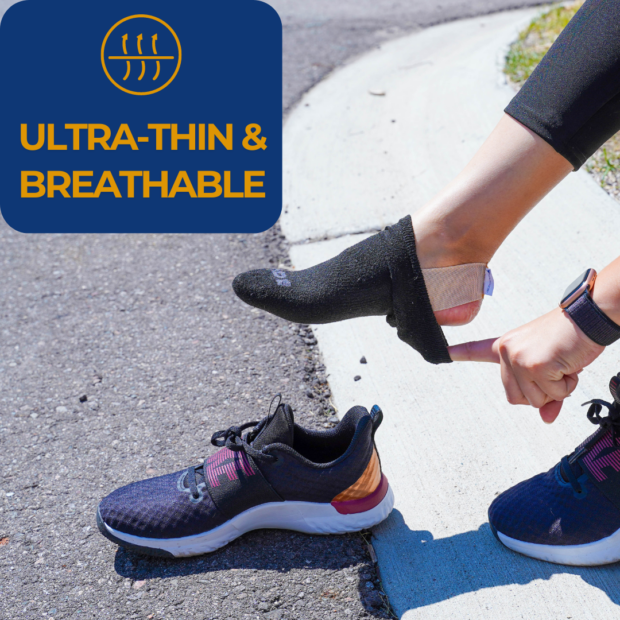
Bunion Bootie was built around that exact gap in the category, with an ultra-thin design intended to fit inside regular shoes rather than force people into an at-home-only routine. For many shoppers, that is the difference between trying support once and using it consistently.
What to expect from shoe-friendly bunion support
It helps to set realistic expectations. Shoe-compatible support is primarily about comfort, friction reduction, and gentle alignment support. It is not a magic fix, and it is not a substitute for medical advice if you have severe pain, rapid changes in the joint, numbness, or trouble walking.
For mild to moderate daily irritation, though, the right support can make a noticeable difference. Many people feel relief because the bunion is no longer rubbing directly against the inside of the shoe with every step. Others notice that a more stable, better-aligned feel helps them tolerate longer periods on their feet.
Results vary based on foot shape, shoe type, and how advanced the bunion is. That is normal. Someone with occasional rubbing in walking shoes may need very little support. Someone with more prominent bunions or post-surgical sensitivity may need a more intentional comfort routine and more selective footwear.
Signs you found the right fit
You should not have to think about it every few minutes. Good support feels secure but not restrictive. It protects the bunion area without making your toes feel cramped, and it lets you move naturally through the day.
You may also notice that certain shoes become easier to wear again. Not every pair will become a match, but daily favorites often feel more manageable when the friction point is finally addressed.
If a product leaves deep marks, shifts constantly, or makes your shoe feel significantly tighter, it is probably not the right option for daytime use. A better fit should reduce annoyance, not add a new one.
When to get extra help
If your bunion pain is worsening, your big toe is crossing over other toes, or you are changing the way you walk to avoid pain, it is worth checking in with a podiatrist. Conservative support can be a smart part of the plan, but persistent or severe symptoms deserve professional guidance.
That said, many people are not at the point of needing invasive treatment. They simply need a practical way to reduce rubbing and stay comfortable during normal activity. That is a valid goal, and it is often where the right in-shoe support can make the biggest day-to-day impact.
If you are tired of products that only work on the nightstand, focus on wearability first. The best bunion support for shoes is the one that lets you keep living your life with less friction, fewer adjustments, and more confidence in every step.