
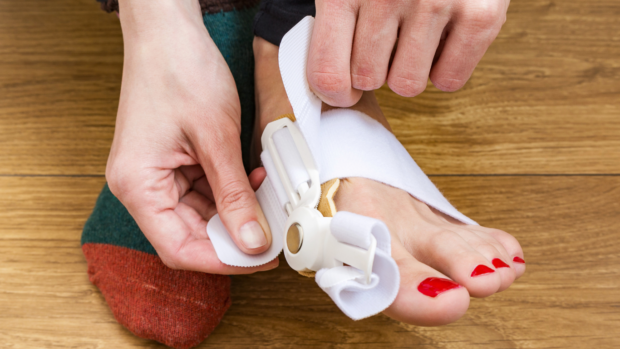
If you have ever put on a bunion splint in the morning, looked down, and thought, There is no way this is fitting inside my shoe, you are not alone. The best bunion corrector for daytime is not the one with the most straps or the stiffest brace. It is the one you can actually wear while walking, working, standing, and getting through a normal day without more pressure, bulk, or frustration.
That sounds obvious, but a lot of bunion products still seem designed for a life most people do not have. They may work for resting on the couch or sleeping at night, yet fail the minute you try to wear them with sneakers, flats, work shoes, or casual everyday footwear. For daytime use, wearability is not a bonus feature. It is the whole point.
What makes the best bunion corrector for daytime?
A daytime bunion corrector has a different job than a nighttime splint. At night, a device can be more rigid because you are not moving much. During the day, your feet need to bend, push off, and adapt to the ground. That means the best option usually feels soft, thin, flexible, and secure rather than hard and restrictive.
A good daytime corrector should reduce friction at the bunion site, offer gentle alignment support, and stay comfortable inside regular shoes. If it slides around, bunches up, creates extra pressure, or makes your shoe fit tighter, it may do more harm than good. Many people with bunions are not only dealing with alignment concerns. They are also dealing with rubbing, hot spots, and that familiar ache that builds after hours on their feet.
This is where product design matters more than promises. A bulky brace can sound impressive, but if it changes the way your shoe fits, you may end up abandoning it after two tries. A lighter, lower-profile design often makes it easier to be consistent, and consistency is what most people are really missing.
Why bulky splints usually fail during the day
The biggest problem with traditional bunion splints is simple. They are often made for correction in theory, not real-life use. Rigid materials, thick side panels, toe separators that feel too aggressive, and oversized straps can all interfere with walking comfort.
That creates a frustrating trade-off. You want support, but the support device makes your shoes tighter. You want relief from rubbing, but the product itself rubs. You want something discreet, but it feels like medical gear wrapped around your forefoot.
For active adults, that trade-off usually does not last. People want to walk the dog, go to work, run errands, travel, or stand through a shift without constantly thinking about their feet. A corrector that only works in ideal conditions is rarely the right daytime choice.
The features worth looking for
If you are comparing options, focus less on dramatic correction claims and more on how the product behaves inside your daily routine. The best bunion corrector for daytime use tends to share a few practical features.
First, it should be low profile. Thin materials matter because your shoe already creates pressure around the bunion joint. Adding thickness can make the problem worse.
Second, it should feel soft against the skin. Many people with bunions are highly sensitive right at the bump, so cushioning and friction reduction can be just as valuable as alignment support.
Third, it should move with your foot. Daytime walking requires flexibility. A product that allows more natural movement is often easier to wear for longer periods.
Fourth, it should stay in place. A support that twists, slides, or bunches under the foot becomes a distraction fast.
Finally, it should work with the shoes you actually wear. Not the pair with the extra-wide toe box you save for bad days. Your real shoes. Your walking shoes, work shoes, and casual shoes.
Best bunion corrector for daytime wear: what most people really need
For most people, the best daytime option is not a hard brace. It is a soft, breathable bunion corrector that fits inside regular footwear and helps reduce pressure where the bunion rubs most.
That is why ultra-thin fabric-based designs tend to make more sense for daytime than rigid splints. They are built around wearability. Instead of forcing the foot into a position it cannot comfortably maintain while moving, they provide gentle support and a layer of protection where irritation builds.
This approach is especially helpful if your main complaint is that shoes rub the bunion, your foot gets sore after walking, or you need something discreet enough to wear through a full day. A thin bunion bootie-style corrector can help support more natural alignment while also reducing the constant friction that keeps the area irritated.
For people who have tried stiff braces and given up, this can feel like a very different category. It is less about dramatic force and more about practical comfort you can stick with. And in day-to-day foot wellness, a product you can wear consistently often beats one that sits in a drawer.
It depends on your symptoms
Not every bunion situation feels the same, so the right daytime corrector depends on what bothers you most.
If friction and shoe pressure are the main issue, prioritize a soft barrier that cushions the bunion and reduces rubbing inside the shoe. If you feel mild alignment discomfort or post-surgical sensitivity, a design that offers gentle positional support without rigidity may be the better fit.
If your bunion is severe or very inflamed, even a good daytime corrector may need to be paired with roomier footwear, activity modification, or advice from a podiatrist. A wearable support can improve comfort, but it is not a substitute for individualized medical care when pain is escalating or your toe position is changing quickly.
That does not mean conservative support is not worthwhile. It means the goal should be realistic. For most daytime users, the goal is better comfort, less rubbing, and more support during regular movement.
What to avoid when shopping
A few product claims should make you pause. Be careful with anything that promises to permanently fix a bunion through daytime wear alone. Bunions are complex, and no simple wearable product should be framed as a cure.
It is also worth being cautious with one-size-fits-all products. Fit matters a lot in this category. If the sizing is off, even a soft corrector can create new pressure points. A product that offers clear sizing and an easy exchange policy tends to be a smarter choice.
Another red flag is poor shoe compatibility. If product photos only show barefoot use or the device looks thick from the side, there is a good chance it will be hard to wear in normal shoes.
How to tell if a daytime corrector is actually working
Success is usually more subtle than people expect. You may notice that your bunion feels less irritated at the end of the day. You may be able to stay on your feet longer before discomfort starts. Your shoes may feel less abrasive over the bunion joint. You may simply think about your feet less, which is often a very good sign.
What you are looking for is improved day-to-day comfort and easier movement. If the product causes pinching, numbness, added toe pressure, or makes walking feel unnatural, it is not the right match.
It can help to test a new corrector for short periods first, then build up wear time. That gives your feet a chance to adjust and helps you notice whether the fit stays comfortable through real movement, not just while sitting down.
A practical standard for daytime comfort
When people ask what the best bunion corrector for daytime is, they are usually asking a more personal question: What can I actually wear and trust while living my life?
That is the standard that matters. Not how intense it looks. Not how many straps it has. Not whether it sounds medical enough to be convincing. The right daytime corrector should feel comfortable, fit inside your normal footwear, and help reduce the rubbing and pressure that make bunions so hard to ignore.
Products built around thin, flexible, shoe-friendly support tend to meet that standard better than traditional rigid splints. That is exactly why many people turn to solutions like Bunion Bootie when they are tired of choosing between support and wearability.
If you are shopping for daytime relief, trust the product that fits your actual routine. The best support is the one that lets you keep moving with a little less friction and a lot less compromise.