
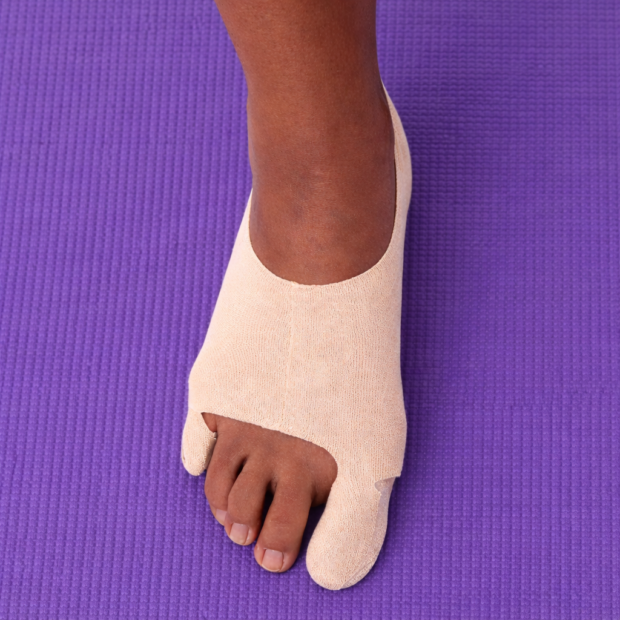
That sore bump at the base of your little toe can turn an otherwise ordinary shoe into a problem. A bunionette protector review should answer the question that matters most when you have places to be: will this actually stay comfortable inside the shoes you already wear?
A bunionette, sometimes called a tailor’s bunion, is a bony prominence on the outside of the foot near the pinky-toe joint. It may become irritated when footwear presses against it, especially during long walks, standing shifts, workouts, or a full day at the office. A protector cannot erase the underlying bone shape, but the right one can reduce rubbing and cushion pressure so movement feels more manageable.
What a Bunionette Protector Should Do
The most useful protectors create a soft barrier between the irritated joint and the shoe. That sounds simple, but the details matter. A pad that is too thick can make a snug shoe feel tighter. One that shifts as you walk may create a new source of friction. A rigid device may be helpful during rest for some people, yet be completely impractical for daytime footwear.
For real-life wear, look for a design that stays close to the foot, covers the spot that rubs, and remains breathable when your feet warm up. The goal is not to feel a bulky accessory in your shoe. It is to forget it is there while the outside edge of your foot gets a break from repeated contact.
Protection and alignment support are also different jobs. Gel pads and sleeves primarily cushion and reduce shoe friction. A flexible support that wraps the foot may also provide gentle positioning support around the little toe. Neither type is a substitute for medical care when pain is severe, sudden, worsening, or affecting how you walk.
Bunionette Protector Review: The Features That Matter
Many products look similar in a product photo. They do not always perform similarly after several hours in shoes. Here is how common options compare in everyday use.
| Protector type | Best for | Potential drawback | | — | — | — | | Adhesive gel pad | Short-term cushioning in roomier shoes | Can peel off with sweat or movement | | Gel toe sleeve | Direct coverage over the bump | May feel bulky in narrow toe boxes | | Fabric bunionette support | Daily friction control and gentle support | Fit is crucial for staying in place | | Rigid splint | Rest or limited at-home use | Usually too bulky for regular footwear |
Thickness Is a Bigger Deal Than It Seems
When a bunionette already makes the outside of the forefoot wider, adding a thick pad can increase pressure from the shoe wall. This is why a protector that feels plush in your hand is not automatically the better choice. In a walking shoe with a generous toe box, a thicker gel sleeve may feel fine. In loafers, work shoes, casual sneakers, or fitted athletic footwear, a slimmer, flexible option is often easier to wear consistently.
Consistency matters because friction is rarely a one-time event. It builds through thousands of small movements. A product you can wear for a full afternoon is generally more useful than one that feels protective for ten minutes and then gets removed.
Staying Put Is Part of Comfort
A protector that slides toward the sole, bunches near the toe, or rolls at the edges can become distracting quickly. Fit should feel secure but never tight enough to leave deep marks, numbness, tingling, or extra pressure. If your product uses a sleeve, it should fit smoothly around the little toe area without pulling the toe into an uncomfortable position.
Sweat, lotion, sock material, and shoe fit can all affect performance. Adhesive pads can work well for a specific pair of shoes or a shorter occasion, but they may be less dependable for all-day walking. Washable fabric designs often make more sense for people looking for a repeatable daily routine, provided they are thin enough for the shoes they actually wear.
Breathability Helps on Long Days
Feet do not stay dry during errands, commutes, fitness classes, or long shifts. Non-breathable materials may trap heat and moisture, which can make a protector feel slippery or irritating. Soft, breathable fabric is especially helpful for people who wear socks and closed-toe shoes most of the day.
That does not mean every gel product is a poor choice. Gel can offer satisfying spot cushioning, particularly when a shoe has enough space. The trade-off is that it can hold heat and add volume. The better option depends on the shoe, the location of your discomfort, and how long you need to wear it.
How to Choose for Your Shoes and Routine
Start with the pair of shoes that bothers you most. If the shoe itself is very narrow or presses hard against the outside of your forefoot, no protector can fully compensate for the lack of room. A wider toe box can reduce the source of pressure, while a slim protector can make that extra room work even better.
For sneakers and walking shoes, choose a low-profile protector that will not crowd the pinky toe. For dress shoes or fitted work footwear, thinner is usually better, and it is wise to test the product at home before relying on it for a long day. If you are recovering from a procedure or managing ongoing foot changes, ask your podiatrist which type of support is appropriate for your situation.
Sizing deserves more attention than it usually gets. A one-size approach can be convenient, but it may leave some people with a loose, shifting fit or a constricted feeling. A thoughtfully sized fabric support can be more comfortable because it is designed to sit where it belongs rather than relying on extra bulk to stay in place.
Bunion Bootie’s BunionETTE Bootie is designed around this practical need: soft, thin, breathable support intended to fit inside regular footwear. For anyone tired of choosing between a rigid splint and a pad that will not stay put, a flexible, shoe-compatible design addresses the part of bunionette care that happens during normal movement.
What to Expect – and What Not to Expect
A bunionette protector can make shoe contact more comfortable. It may help reduce the rubbing that leaves the outside of the foot tender, red, or sensitive at the end of the day. It can also make it easier to keep walking, standing, and exercising within your personal comfort limits.
It should not be marketed as a cure for a bunionette or a guarantee that the bump will disappear. Bunionettes involve foot structure, joint mechanics, and sometimes footwear habits or inherited anatomy. Conservative comfort tools are valuable because they can reduce irritation, but they are not a replacement for an evaluation when symptoms persist.
Pay attention to your body while testing a new protector. Stop using it if it causes burning, numbness, skin breakdown, or increased pain. Seek professional guidance if you have diabetes, reduced circulation, loss of sensation in your feet, open skin, or swelling that is new or unexplained.
A Simple First-Wear Test
Try a new protector during a lower-stakes part of your day instead of immediately wearing it for a long walk or work shift. Put it on clean, dry skin, then wear the shoe and sock combination you use most often. Walk around the house for 15 to 20 minutes and notice whether the protector stays smooth and whether your pinky toe still has room to move naturally.
If it passes that test, extend the wear time gradually. Afterward, check the skin around the bump and between the toes. Comfortable protection should leave you feeling less rubbed, not more compressed.
The best bunionette protector is rarely the thickest or the most dramatic-looking one. It is the one you can comfortably wear often enough to protect your foot from the small, repeated irritations that make daily movement feel harder than it should.