
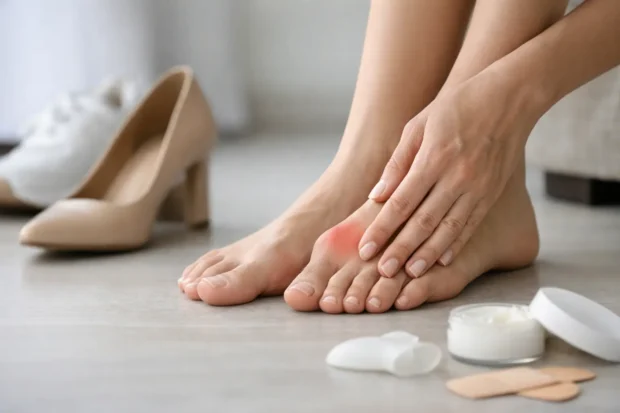
That sharp, rubbed-raw feeling at the side of your big toe can turn an ordinary walk, workday, or workout into a calculation: How far can I go before this gets worse? Learning how to manage bunion flare-ups is less about putting life on hold and more about reducing the pressure and friction that keep aggravating an already sensitive joint.
A bunion flare-up can happen even when your bunion has been manageable for months. A tighter shoe, a long day standing, extra walking on a trip, or swelling from heat can make the bump feel tender, red, and irritated. The goal is not to force your foot through the pain. It is to calm the irritated tissue, create more room around the joint, and make your everyday footwear work harder for you.
What a Bunion Flare-Up Is Telling You
A bunion is a bony prominence at the base of the big toe, where the big toe begins to angle toward the smaller toes. During a flare-up, the soft tissue over and around that joint can become irritated. It may feel sore to the touch, burn against the inside of a shoe, or throb after you have been on your feet.
The trigger is often mechanical. Your shoe rubs the bump, the toe box squeezes the front of the foot, or repeated pressure during walking stresses an area that is already working differently. That is why a solution that only cushions the surface may not be enough if it slides around, adds bulk, or makes your shoe feel even tighter.
A flare-up does not necessarily mean your bunion has suddenly become much worse. But it does mean your foot needs a short-term reset and a better plan for the conditions that set it off.
How to Manage Bunion Flare-Ups at Home
Start by taking pressure off the area as soon as you notice tenderness. You may not need to stop moving completely, but it is wise to scale back the activity that clearly causes pain for a few days. If your usual three-mile walk ends with a hot, swollen bunion, try a shorter, flatter route or choose a lower-impact option while the irritation settles.
Cold can help after activity. Wrap an ice pack or a bag of frozen peas in a thin towel and apply it to the sore area for about 10 to 15 minutes at a time. Do not apply ice directly to skin, and avoid prolonged icing that leaves the area numb or uncomfortable.
If the skin is intact but feels dry, chafed, or tight, gentle moisturizing can reduce the discomfort of rubbing. Avoid applying products to broken skin, blisters, or an open sore without guidance from a clinician. For some people, an over-the-counter anti-inflammatory pain reliever may also be appropriate, but check with your doctor or pharmacist first if you have kidney disease, stomach ulcers, heart conditions, take blood thinners, or have questions about drug interactions. If the skin is not broken, a cooling cream like Bunion Balm might help subside the heat.
The most useful change usually happens before you step out the door: remove the source of friction.
Give the Toe Box More Room
During a flare-up, skip the shoes that look good but press directly on the bunion. A wide, deep toe box gives the front of the foot room to spread naturally rather than forcing the big toe inward. Soft uppers can be more forgiving than stiff leather or narrow, pointed styles.
This does not mean every supportive shoe will work. Some shoes have plenty of width but a firm seam right over the bunion. Others feel comfortable while standing but become irritating after an hour of walking. Test shoes later in the day, when feet are more likely to be swollen, and pay attention to the exact spot where the upper touches your joint.
If you wear dress shoes or work shoes that are difficult to replace, alternate them when possible. Keeping a more comfortable pair at your desk, in your car, or in a gym bag can prevent a manageable morning from becoming a painful evening.
Use Thin, Stay-Put Protection
A bulky pad or rigid splint can seem like the obvious answer, until it takes up so much shoe space that it creates more pressure. For daytime use, thin and flexible protection is often the more practical choice. It should cushion the bunion, reduce rubbing, and stay where it belongs as you walk.
A wearable corrector can also provide gentle toe positioning support without turning your regular shoe into a cramped space. Bunion Bootie was designed for this real-life need: soft, breathable, ultra-thin support that fits inside everyday footwear, helping protect the bunion area from shoe friction while supporting more natural toe alignment.
Fit matters. A product that rolls, pinches, or shifts during the day will not deliver consistent comfort. If you are between sizes or have swelling during a flare-up, use the brand’s sizing guidance and choose the fit that feels secure without constricting circulation.
Adjust Activity Without Becoming Sedentary
Rest can be helpful, but total inactivity is not always necessary or desirable. Many people can continue with comfortable movement as long as they change the variables that caused the flare-up. Shorter walks, gentler routes, supportive sneakers, and breaks from standing can all make a meaningful difference.
Use pain as feedback. Mild awareness that does not build may be manageable. Pain that sharpens, changes your gait, or lingers well after activity is a sign to stop and reassess. Walking with a limp can shift stress to your knees, hips, and back, so pushing through is rarely the productive option.
If you exercise regularly, consider temporarily reducing high-impact movements that load the forefoot, such as jumping, hill sprints, or long runs in tight shoes. Cycling, swimming, and strength training modifications may help you stay active while your foot calms down. The right choice depends on your symptoms and the type of activity you enjoy.
A Daily Routine That Can Help Prevent the Next Flare-Up
Bunion comfort is often built through small, repeatable habits. Before putting on shoes, check the skin around the joint. If it is already pink, tender, or blistered, do not wait for a full flare-up to change your plan.
A few gentle mobility movements can be useful, especially after sitting in stiff shoes or spending a long day on your feet. Slowly move the big toe within a comfortable range, spread the toes, and roll the sole of the foot over a soft ball or a chilled water bottle. These should feel relieving, not forceful. Do not try to aggressively straighten the toe or stretch through sharp pain.
At the end of the day, give your feet a chance to recover. Remove restrictive footwear, inspect the bunion for irritation, and use cold therapy if it feels hot or swollen. This simple check-in is especially valuable before travel, events, or busy workweeks, when you may be tempted to wear less forgiving shoes for longer than usual.
When a Flare-Up Needs Medical Attention
Home comfort strategies are appropriate for many mild flare-ups, but some symptoms deserve prompt medical evaluation. Contact a podiatrist or other qualified clinician if you have severe pain, cannot bear weight, notice rapidly increasing redness or swelling, have warmth with fever, or see drainage, an open wound, or skin discoloration.
People with diabetes, poor circulation, neuropathy, or a history of foot ulcers should be especially cautious. What looks like ordinary rubbing can become more serious when sensation or healing is impaired.
It is also worth scheduling an appointment if flare-ups are becoming more frequent, your shoes are increasingly difficult to fit, or pain regularly limits normal life. A clinician can assess your foot mechanics, rule out other causes of pain, and discuss conservative options such as footwear changes, orthotics, physical therapy, or other individualized care. Non-invasive support can be a valuable part of that plan, but it is not a replacement for medical evaluation when symptoms are persistent or worsening.
The Goal Is Comfortable, Consistent Movement
The best flare-up plan is one you can actually use on a Tuesday morning, during a long shift, or while walking the dog after dinner. That usually means fewer bulky devices, less shoe friction, and more attention to the early warning signs your feet give you.
You do not have to choose between protecting a sensitive bunion and staying part of your own life. Give your feet room, reduce the rubbing, and respond early when discomfort starts asking for a change.