
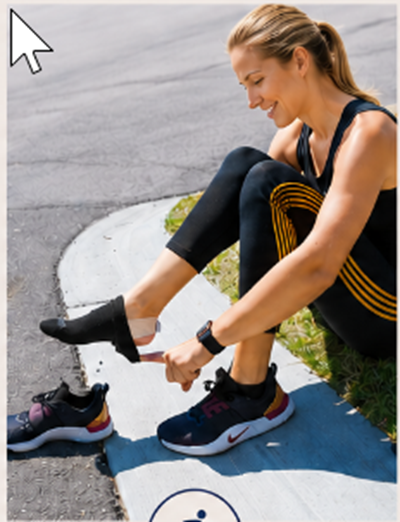
Can You Wear Bunion Correctors with Shoes Comfortably?
Yes, you can wear bunion correctors with shoes comfortably when you choose the right design and footwear combination. Ultra-thin bunion correctors measuring just a few millimeters in thickness (think old cloth bandaids) and fit seamlessly inside sneakers, dress shoes, and athletic footwear without creating pressure points or visible bulging. The key is selecting a breathable, flexible corrector that works with your shoe width and style while providing gentle toe alignment throughout your active day.
The right bunion corrector transforms your daily comfort without forcing you to compromise your lifestyle or footwear choices. With proper fit and gradual adjustment, you can enjoy pain relief and toe alignment whether you’re walking, exercising, or simply going about your normal routine.
Why Wearing Bunion Correctors with Shoes Matters for Active Lifestyles
Many people with bunions struggle to find correctors that work with their daily footwear, limiting their mobility and comfort throughout the day. You shouldn’t have to choose between treating your bunion and maintaining your active lifestyle. When a bunion corrector forces you to change shoes constantly or skip activities, you’re less likely to stick with the treatment long enough to see real benefits.
Active individuals need bunion solutions that don’t restrict movement, cause pressure points, or require removing shoes frequently. Whether you’re running errands, hitting the gym, or spending a full day at work, your bunion corrector should move with you naturally. The frustration of stopping mid-activity to adjust an uncomfortable device can make even the most determined person give up on bunion treatment.
The right bunion corrector should provide gentle alignment while fitting seamlessly into regular shoes without causing discomfort or visible bulging. Modern ultra-thin designs have changed what’s possible for bunion treatment during active wear. You can now get the corrective benefits you need while wearing the shoes that match your lifestyle and activities.
What Makes a Bunion Corrector Compatible with Footwear?
Compatibility between bunion correctors and shoes comes down to three critical factors: thickness, material flexibility, and secure positioning. When these elements work together properly, you won’t even notice you’re wearing a corrective device inside your shoes.
Ultra-thin design benefits
Traditional bulky bunion correctors create friction and pressure inside shoes, making them impractical for everyday wear. These older designs were meant primarily for barefoot use at home, leaving active people without good options for daytime correction. The thickness of conventional correctors pushes your foot against the shoe’s interior, creating painful rubbing and hot spots.
Ultra-thin correctors measure just millimeters in thickness, allowing them to fit comfortably inside sneakers, dress shoes, and even tight-fitting footwear. Bunion Bootie’s revolutionary design achieves corrective alignment without the bulk that makes traditional devices incompatible with shoes. This slim profile means you don’t need to buy an entirely new shoe wardrobe to accommodate your bunion treatment.
Thin profiles prevent the bunching and rubbing that leads to blisters and additional foot pain during walking or exercise. When a corrector lies flat against your foot without adding noticeable bulk, your shoe fits normally and your foot moves naturally. The difference between a 2-millimeter and 10-millimeter corrector can mean the difference between all-day comfort and constant irritation.
Breathable material considerations
Breathable fabrics allow air circulation, reducing moisture buildup and preventing skin irritation during extended wear. Your feet naturally perspire throughout the day, and trapping that moisture against your skin creates the perfect environment for blisters, odor, and fungal issues. A bunion corrector that doesn’t breathe becomes uncomfortable within hours, especially during physical activity.
Soft, flexible materials conform to your foot shape and shoe interior without creating rigid pressure points. Bunion Bootie uses carefully selected fabrics that bend and move with your natural gait while maintaining corrective positioning. This flexibility means the device adapts to your foot rather than forcing your foot to adapt to it.
Quality materials maintain their corrective properties while remaining comfortable against bare skin throughout the day. Cheap materials may start soft but quickly break down, lose their shape, or become scratchy after a few hours of wear. Physician-recommended correctors balance therapeutic effectiveness with long-lasting comfort, ensuring consistent results over months of daily use.
How to Choose Shoes That Work with Bunion Correctors
Not all shoes accommodate bunion correctors equally well. Making smart footwear choices amplifies the comfort and effectiveness of your bunion treatment while poor shoe selection can undermine even the best corrector design.
Selecting the right shoe width
Shoes with adequate toe box width accommodate both your bunion and the corrector without squeezing or compressing your foot. The toe box is the area surrounding your toes, and it needs enough space to house your foot’s natural width plus the minimal thickness of the corrector. Compression in this area doesn’t just feel uncomfortable; it actively works against the corrective alignment you’re trying to achieve.
Look for footwear labeled as wide or extra-wide if you have moderate to severe bunions, ensuring sufficient space for the corrector. Bunion Bootie’s ultra-thin design works in standard-width shoes for many people, but those with pronounced bunions benefit from giving their feet extra room. Trying shoes on while wearing your corrector helps you assess the true fit before purchasing.
Avoid pointed-toe shoes or narrow athletic shoes that compress the forefoot and counteract the corrector’s alignment benefits. These shoe styles push your toes together regardless of corrector use, creating opposing forces that cause discomfort and reduce treatment effectiveness. Round-toe or square-toe designs provide the space your toes need to benefit from gentle realignment.
Best shoe styles for bunion corrector compatibility
Sneakers and athletic shoes typically offer the most room and flexibility for wearing bunion correctors during active use. The combination of cushioned interiors, flexible uppers, and roomy toe boxes makes athletic footwear ideal for first-time bunion corrector users. These shoes also provide the support your feet need during walking, jogging, or standing for extended periods.
Slip-on shoes with stretchy uppers can accommodate correctors more easily than rigid lace-up dress shoes. Canvas slip-ons, knit sneakers, and elastic-panel shoes flex around the corrector without creating pressure points. This makes them excellent choices for work environments or casual outings where athletic shoes might not be appropriate.
Sandals with adjustable straps allow you to customize fit around the corrector, though open-toe styles may make the device visible. If appearance isn’t a concern, adjustable sandals give you maximum control over fit and pressure distribution. Closed-toe sandals offer a middle ground between coverage and adjustment flexibility.
Can You Wear Bunion Correctors During Exercise and Walking?
Physician-recommended bunion correctors designed for active use provide gentle toe alignment without restricting natural foot movement during physical activity. Bunion Bootie was specifically refined through consumer feedback to ensure it supports rather than hinders movement. The corrector works with your body’s natural biomechanics instead of fighting against them.
Walking, jogging, and low-impact exercises can be performed comfortably when wearing properly fitted ultra-thin correctors inside athletic shoes. Many users report that wearing their corrector during walks actually reduces bunion pain compared to walking without correction. The gentle alignment helps distribute pressure more evenly across your foot during each step.
The key is ensuring your corrector stays securely in place without sliding or bunching, which could create new pressure points during movement. Quality correctors like Bunion Bootie use design features that keep the device positioned correctly even during vigorous activity. A corrector that shifts around inside your shoe causes more problems than it solves.
Start with shorter activity periods when first wearing a bunion corrector with shoes, gradually increasing duration as your foot adapts. Your first walk with a corrector should be 15-20 minutes, giving you a chance to notice any issues before they become serious. This gradual approach prevents overuse discomfort while building your tolerance for longer active periods.
Tips for All-Day Comfort When Wearing Bunion Correctors with Shoes
Maximizing comfort requires attention to positioning, timing, and maintenance. These practical steps make the difference between occasional use and consistent treatment that delivers real results.
Proper positioning inside footwear
Place the bunion corrector on your foot first, ensuring the toe separator sits comfortably between your big toe and second toe. Getting this initial positioning right sets you up for success throughout the entire day. Take a moment to make sure everything feels natural and aligned before adding the complication of shoe insertion.
Slide your foot into the shoe slowly, checking that the corrector hasn’t shifted or folded during insertion. Rushing this step is the most common cause of all-day discomfort. If you feel anything bunching or pinching, remove your foot and reposition rather than hoping the problem will resolve itself.
The corrector should lie flat against your foot without creating visible lumps or pressure points inside the shoe. Run your hand over the outside of your shoe to feel for any unusual bumps or wrinkles. If you can feel the corrector through your shoe, it likely needs adjustment to lie flatter against your foot.
Breaking in your bunion corrector gradually
Begin by wearing the corrector for 2-3 hours with shoes on the first few days, allowing your foot to adjust to the gentle realignment. Your body needs time to adapt to the new toe positioning, even though the correction is gentle. Starting with shorter periods prevents the frustration of committing to a full day only to find yourself uncomfortable with no easy way to remove the device.
Gradually increase wearing time by an hour each day until you can comfortably wear it throughout your entire active day. Bunion Bootie’s consumer-refined design shortens this adjustment period compared to less comfortable alternatives, but patience still pays off. Most users reach full-day comfort within one to two weeks.
Listen to your body and remove the corrector if you experience sharp pain, though mild pressure during adjustment is normal. Sharp, stabbing pain signals a problem that needs addressing, while general awareness of the corrector or mild pressure indicates normal adaptation. Learning to distinguish between these sensations helps you stay safe while maximizing treatment time.
Maintaining your corrector for optimal performance
Wash your bunion corrector regularly according to manufacturer guidelines to prevent odor and bacterial buildup from daily shoe wear. The warm, moist environment inside shoes creates ideal conditions for bacteria growth. Regular cleaning keeps your corrector fresh and prevents skin irritation from accumulated sweat and bacteria.
Allow the corrector to air dry completely before wearing it again to maintain the integrity of breathable materials. Bunion Bootie’s breathable fabric dries relatively quickly, but putting on a damp corrector invites skin problems and reduces material lifespan. Having two correctors lets you rotate between them while one air dries.
Inspect the device periodically for signs of wear that might compromise its corrective function or comfort inside shoes. Look for thinning material, stretched-out sections, or areas where seams are separating. Catching these issues early prevents the discomfort of a failing corrector and ensures consistent corrective benefits.
What About Wearing Bunion Correctors Barefoot or Overnight?
Many bunion correctors designed for shoe compatibility also work effectively when worn barefoot at home or during sleep. Bunion Bootie’s versatile design functions equally well with or without shoes, giving you treatment options that fit every part of your day. This flexibility means you’re not limited to only daytime or only nighttime correction.
Overnight wear provides continuous gentle correction during rest periods when you’re not actively moving or wearing shoes. Your body does significant healing and adjustment work during sleep, making nighttime an ideal window for bunion realignment. Sleeping with a corrector extends your total treatment hours without requiring any additional waking time commitment.
Barefoot use allows your feet to breathe fully while still benefiting from toe alignment, making it ideal for recovery periods between active days. After a long day in shoes, your feet appreciate the freedom of being uncovered while still receiving corrective support. Many users wear their corrector barefoot during evening relaxation as a transition between daytime shoe wear and nighttime sleep.
Alternating between wearing the corrector with shoes during the day and barefoot at night maximizes correction benefits throughout the full 24-hour cycle. This comprehensive approach addresses bunion alignment during both active and rest periods, potentially accelerating your progress. The more consistently you wear your corrector across different situations, the better your results.
Common Mistakes to Avoid When Wearing Bunion Correctors with Shoes
Choosing correctors that are too thick or rigid for your typical footwear leads to discomfort and abandoning the treatment. Many people buy bunion correctors without considering how they’ll fit inside their existing shoes. When the device doesn’t work with real-life footwear, it ends up in a drawer rather than on your foot where it can help.
Forcing your foot into shoes that are too narrow or tight when wearing a corrector can worsen bunion pain and create new foot problems. Your shoes should accommodate your foot plus the corrector without squeezing. Compression defeats the purpose of toe alignment and can accelerate bunion progression rather than correcting it.
Expecting immediate results rather than understanding that gentle, consistent correction over time produces the best outcomes sets you up for disappointment. Bunion Bootie provides gentle realignment that works with your body’s natural healing capacity. Dramatic overnight changes aren’t realistic for any bunion treatment, but steady improvement over weeks and months delivers lasting results.
Wearing socks that are too thick over the corrector adds unnecessary bulk that prevents proper shoe fit. If you need socks for warmth or moisture control, choose thin dress socks or athletic socks rather than thick winter socks. The combined thickness of corrector plus socks should still allow comfortable shoe fit without pressure.
Not adjusting the corrector position after putting on shoes allows it to shift into uncomfortable positions during wear. Take 30 seconds after putting on your shoes to walk around and check how everything feels. Making small position adjustments at this point prevents hours of discomfort later.
Frequently Asked Questions
Can I wear bunion correctors inside any type of shoe?
Ultra-thin bunion correctors like Bunion Bootie fit inside most shoe types, including sneakers, athletic shoes, casual footwear, and many dress shoes. Shoes with adequate toe box width work best, while extremely narrow or pointed-toe shoes may not accommodate even thin correctors comfortably. The key is ensuring your shoe has enough room for your foot plus the minimal thickness of the corrector without compression.
How thin should a bunion corrector be to fit comfortably in shoes?
A bunion corrector should measure no more than 2-3 millimeters in thickness to fit comfortably inside most standard-width shoes without creating pressure points. Bunion Bootie’s ultra-thin design achieves this minimal profile while maintaining corrective effectiveness. Correctors thicker than 5 millimeters typically require sizing up shoes or limiting footwear options.
Will wearing a bunion corrector make my shoes feel tighter?
Properly fitted ultra-thin bunion correctors add minimal bulk and shouldn’t make shoes feel significantly tighter. You may notice a slight difference in fit initially, but this becomes unnoticeable as you adapt to wearing the corrector. If your shoes feel uncomfortably tight with the corrector, you may need to select footwear with more toe box room or consider wide-width options.
Can I wear bunion correctors during running or high-impact sports?
You can wear physician-recommended bunion correctors like Bunion Bootie during walking and jogging, but high-impact sports require careful consideration. Start with low-impact activities to ensure the corrector stays positioned properly during movement. For intense athletic activities, consult with a healthcare provider to determine if wearing a corrector enhances or hinders your specific sport performance and safety.
How long does it take to get used to wearing a bunion corrector with shoes?
Most people adapt to wearing a bunion corrector with shoes within one to two weeks when following a gradual break-in schedule. Start with 2-3 hours daily and increase by one hour each day as comfort allows. Bunion Bootie’s consumer-refined design typically shortens this adjustment period, with many users achieving full-day comfort within the first week.
Should I size up my shoes when wearing bunion correctors?
You typically don’t need to size up shoes when wearing ultra-thin bunion correctors, though you may benefit from wide or extra-wide widths if you have moderate to severe bunions. Bunion Bootie’s minimal thickness works with your existing shoe size in most cases. Focus on toe box width rather than length when assessing shoe fit with correctors.
Can bunion correctors be worn with dress shoes or formal footwear?
Ultra-thin bunion correctors can be worn with dress shoes that have adequate toe box room, though formal footwear often presents more fit challenges than athletic shoes. Men’s dress shoes typically offer more room than women’s heels or narrow dress flats. Bunion Bootie’s slim profile gives you the best chance of success with formal footwear, though you may need to select dress shoes with slightly wider or rounder toe boxes than you wore before developing bunions.