
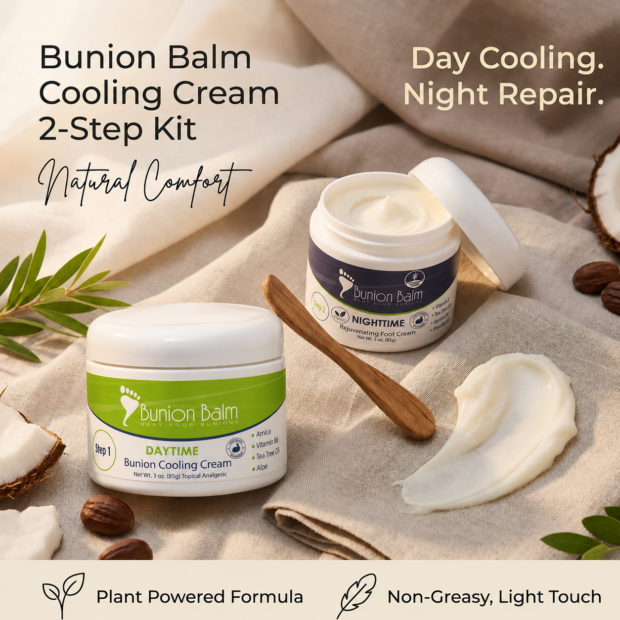
The most useful bunion balm testimonial is not simply, “It worked.” It is the one that explains when the balm was used, what kind of shoe friction or tenderness the person was dealing with, and whether it made daily movement feel more manageable. For people who have already tried bulky splints, sliding gel pads, and shoes that rub the same sore spot every afternoon, those details matter.
A bunion balm is not a cure for a bunion or a substitute for medical care when pain is severe. It is a comfort tool: one that can help soften a dry, irritated area, reduce the feeling of rubbing, and create a more soothing foot-care routine. Used thoughtfully, it can be especially helpful for the moments when your bunion feels most noticeable – before shoes go on, after a long day standing, or at bedtime.
What a credible bunion balm testimonial should tell you
Testimonials are most helpful when they set realistic expectations. A person living with a bunion may want less friction against the joint, skin that feels less rough or tight, and a calmer end-of-day routine. Those are meaningful wins, even if the bump itself does not disappear.
Look for a testimonial that describes the person’s lifestyle. Someone who walks a dog twice a day, works long retail shifts, teaches, travels, or spends hours in dress shoes has different needs from someone using balm mainly during quiet evenings at home. The context tells you whether the routine may fit your life too.
It also helps when customers explain consistency. A balm used once during a painful flare-up may provide temporary comfort, but its best role is often preventive. Applying it before your usual friction point becomes irritated can make it easier to stay ahead of dry skin and rubbing.
A believable experience often sounds practical: “My shoes still fit,” “I used it after work,” or “The area felt less tender after several days of regular care.” Be cautious of promises that suggest any topical product can straighten the toe, reverse joint changes, or replace a podiatrist’s advice.
Why daytime and nighttime use feel different
Bunion discomfort does not always show up the same way throughout the day. In the morning, the concern may be preparing the skin for socks and shoes. By late afternoon, pressure from walking and footwear can leave the bunion area feeling warm, rubbed, or sensitive. At night, the goal often shifts from getting through the day to giving your feet a little recovery time.
That is why a Day & Night approach can make sense. A lighter daytime application can support a smoother, more comfortable shoe experience without leaving feet feeling overly coated. An evening application can become part of a slower routine after bathing, when the skin is clean and ready for moisture.
The right amount depends on the formula and your footwear. Start with a small amount directly over and around the bunion area, then let it absorb before putting on socks or shoes. More balm is not always better. If your socks slide, your shoe feels tighter, or the skin stays greasy, use less and give it more time to settle.
The comfort story is usually about friction
A bunion forms at the joint at the base of the big toe, where the foot’s structure creates a prominent area that can rub against footwear. The balm cannot change that structure. What it can do is support the skin that takes the daily impact of that rubbing.
For many people, that distinction is a relief. You do not need a product to make unrealistic promises for it to earn a place in your routine. If it helps the skin feel conditioned, makes a favorite pair of shoes less aggravating, and encourages you to pause for foot care before discomfort builds, that is useful support.
For stronger all-day protection, some people pair balm with a thin, flexible bunion corrector that fits inside regular shoes. The two products serve different purposes. Balm focuses on skin comfort and a soothing care ritual. A soft, shoe-compatible corrector can help reduce direct friction and provide gentle alignment support during walking, standing, and rest.
Bunion Bootie was designed around this real-life need: support that is soft, discreet, and practical enough to wear beyond the bedroom. For many active adults, the best routine is not choosing one comfort measure over another. It is combining a small amount of balm with footwear choices and support that make daily movement feel less punishing.
How to use bunion balm without overcomplicating it
A simple routine is easier to maintain than an elaborate one. In the morning, apply a small amount to clean, dry skin where your shoe normally rubs. Allow it to absorb fully, then put on your socks and footwear. If you use a wearable bunion support, make sure the balm is not so heavy that it affects the fit or causes the material to shift.
At night, wash and dry your feet, then apply balm with gentle pressure around the sensitive area. There is no need to press aggressively on a sore joint. The goal is comfort, not deep massage. Put on a soft sock if that feels pleasant, but avoid anything tight enough to create additional pressure.
Give any new topical product a reasonable trial period. Skin comfort can be immediate for some people, while the benefit of a regular moisturizing ritual may become clearer over one or two weeks. Stop using the balm if you develop burning, itching, rash, or other signs of irritation. If you have diabetes, poor circulation, neuropathy, broken skin, or a history of skin sensitivity, ask a healthcare professional what is appropriate for your feet before trying a new product.
Questions worth asking before you believe a review
Not every glowing review answers the questions that actually matter. Before treating a testimonial as useful guidance, consider what the reviewer was trying to solve. Was the issue dry, rough skin over the bunion? Shoe rubbing during long walks? Tenderness after a full day on their feet? Or was the person expecting a topical product to correct a structural foot concern?
Also consider their shoe type. Balm may feel different under roomy sneakers than under narrow dress shoes or pointed-toe flats. If your bunion is irritated in every pair of shoes, it may be time to reassess the shoe’s toe box, width, and upper material along with your comfort routine.
Finally, pay attention to the timeline. Immediate soothing can be a valid benefit. So can gradual improvement in how the skin feels. But escalating pain, swelling, numbness, redness that does not settle, or trouble walking deserves medical attention rather than another product experiment.
A better standard for foot-care results
The best bunion balm testimonial is one that respects your daily reality. It recognizes that you still have errands to run, work to do, workouts to enjoy, and shoes you want to wear without dreading every step. It does not ask you to accept a rigid device you cannot fit into your life or promise a miracle from a small jar.
Start with a routine you can repeat: a small amount of balm, shoes with room where your foot needs it, and gentle support when friction is part of the problem. When your feet feel cared for consistently, staying active can feel a little more possible.